
Midwest Radon Pros.
Professional Radon Testing and Mitigation for Northwest Iowa Homes.
At Midwest Radon Pros, we provide State of Iowa credentialed radon testing and radon mitigation for homes across northwest Iowa. Radon is the one problem in a house you can’t see, smell, or point at from the driveway, and Iowa has the highest percentage of homes above the EPA action level of any state in the country. About 7 out of 10 Iowa homes test at or above 4 pCi/L, the level where the EPA says fix it, and the average Iowa home sits around 8.5 pCi/L against a national average of 1.3. Whether you need a straight answer about your home’s radon level, a system installed to fix a high one, or a worn-out fan replaced on an existing system, we handle the whole job from the first test to the final verified reading. Backed by the same team homeowners know from Guarantee Gutter and the rest of the Midwest Companies family.
Contact us today for a free, no-obligation estimate and get a straight answer about the radon level in your home.
- State of Iowa Credentialed
Iowa law requires radon professionals to be credentialed through the state, and ours are. Ask any radon contractor to show you their credential. We’ll show you ours without being asked.
- Fully Insured
Our services are fully insured, giving you peace of mind and protecting your property in the unlikely event of any mishap.
- Locally Owned & Operated
As a locally owned and operated business, we are committed to discipline, integrity, and exceptional service.
- Quick Processes
We schedule efficiently, show up when we said we would, and most mitigation systems are installed and running in a single day.
- Problem Solving
Not every house needs a brand-new system. Sometimes a fan replacement or a piping fix gets an existing system back to doing its job, and we’ll tell you when that’s the case.
- Verified Results
Every mitigation job ends with a post-installation radon test. You get a number that proves the system works, not a handshake and a hope.
Our Radon Services.
Testing, Mitigation, and Repair You Can Trust.
Radon Testing
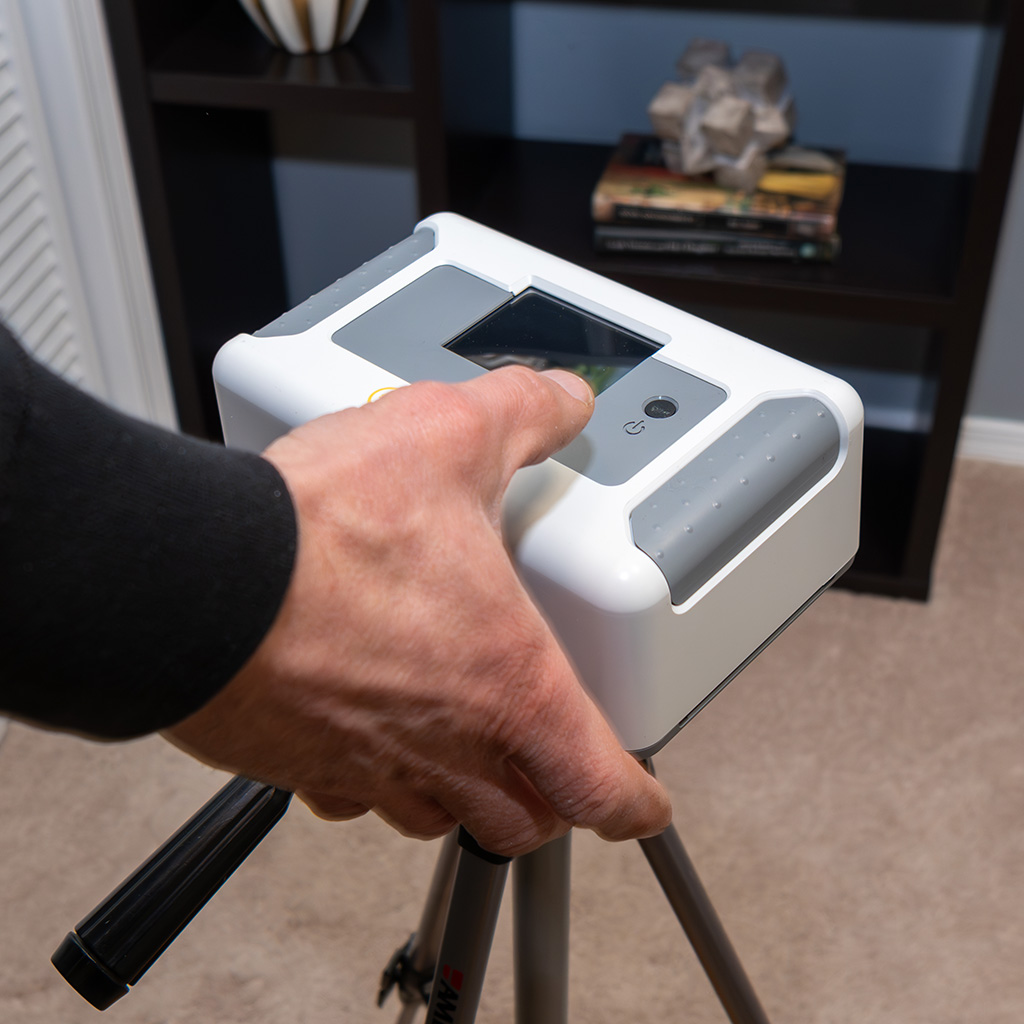
The only way to know your radon level is to measure it. We test with calibrated professional equipment following state protocols, and we give you a straight answer about what the number means. No scare tactics if you’re fine, no sugarcoating if you’re not.
Radon Mitigation
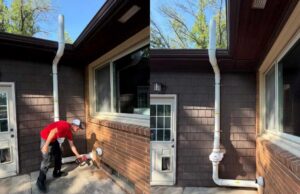
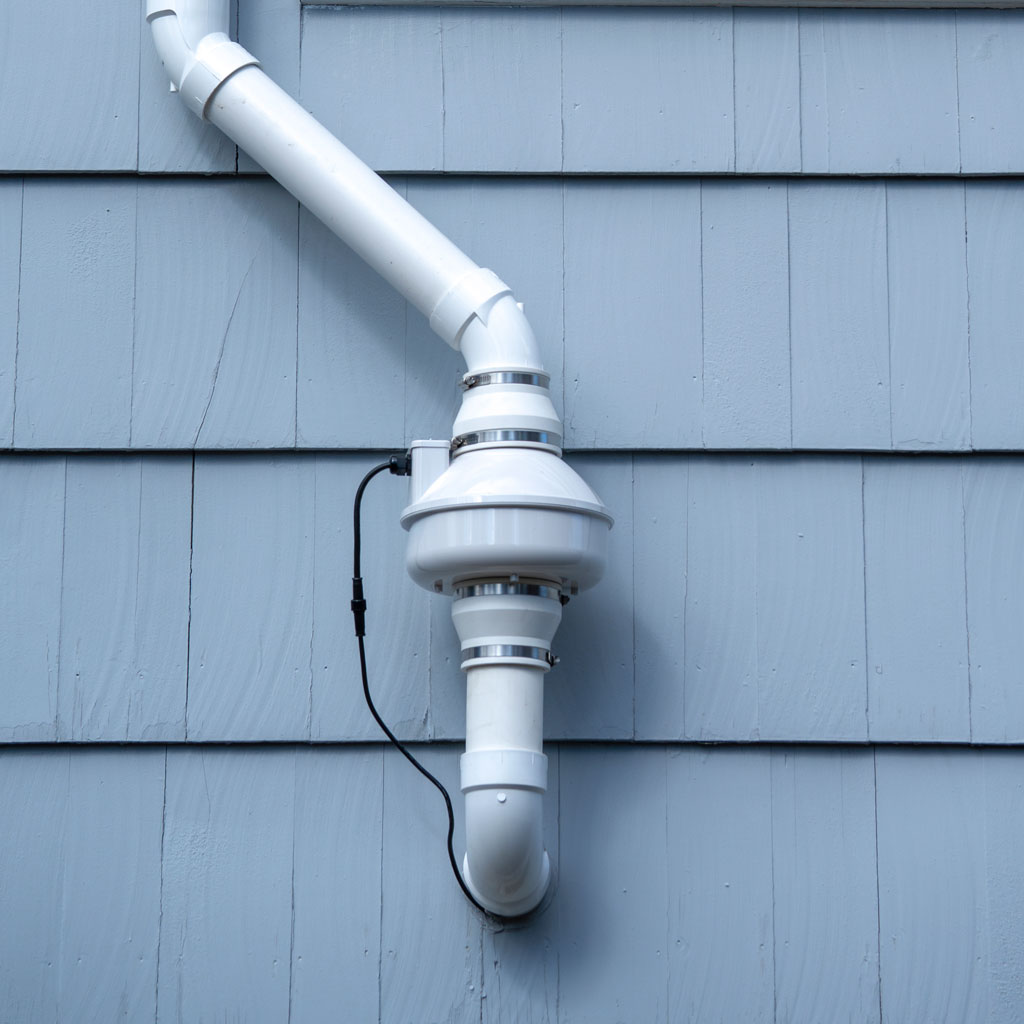
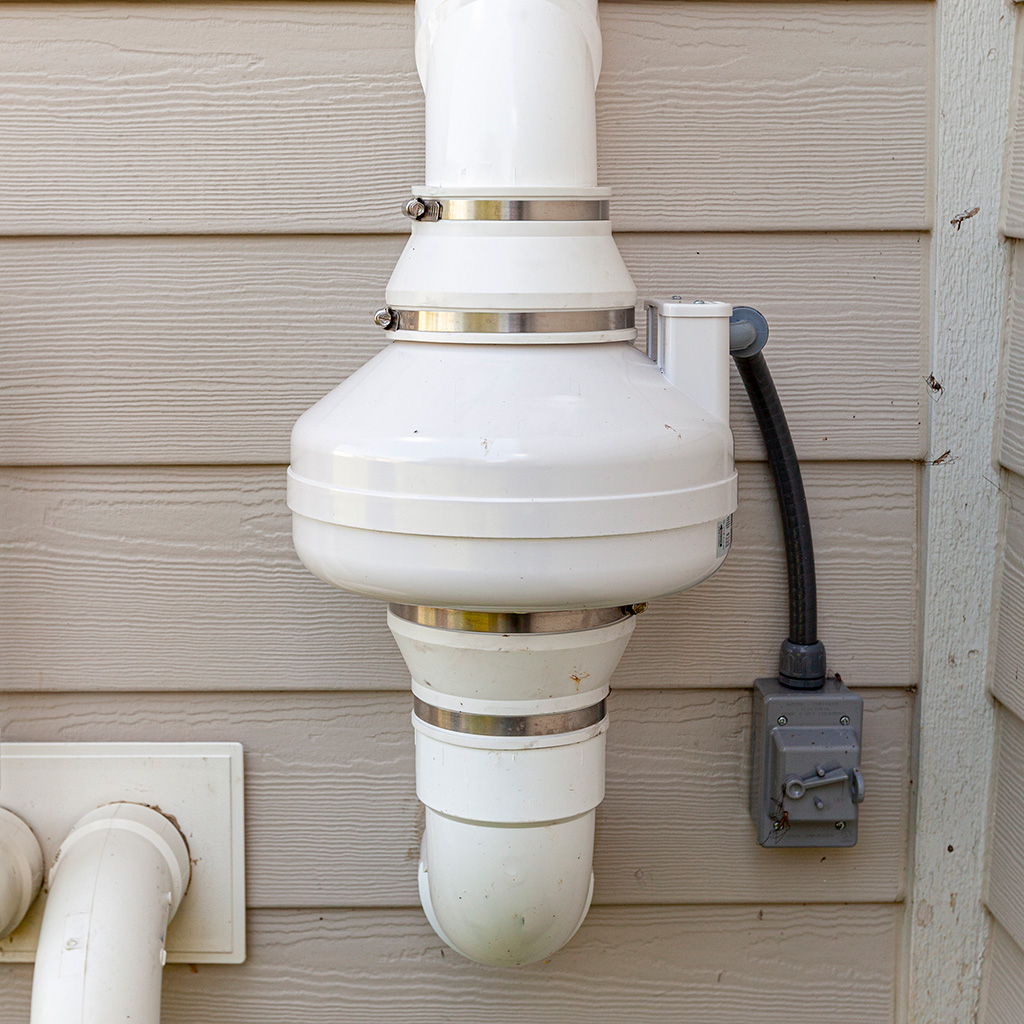
If your home tests high, a mitigation system pulls radon out from under your foundation and vents it above the roofline before it ever reaches your living space. A properly installed system knocks radon levels down dramatically, usually in a single day of work.
Fan Replacement & System Repair
The fan is the part of a radon system that wears out, and most last somewhere in the range of five to ten years. When one quits, the system quits with it. We replace fans, fix piping, and get existing systems back to work.
New Construction Systems
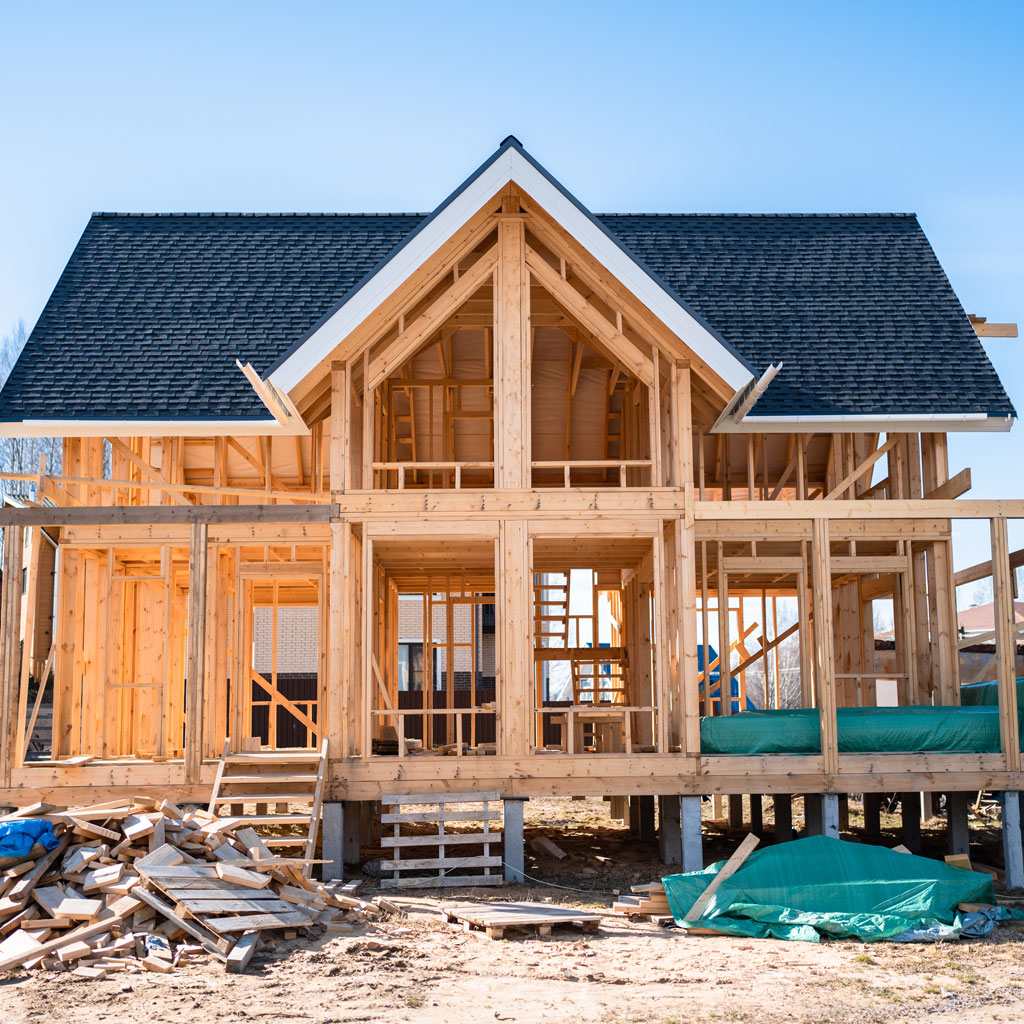
As of July 1, 2026, Iowa’s building code requires new single-family and two-family homes to include passive radon mitigation. If you’re building, that’s now part of the job, and it’s far cheaper to do right while the foundation goes in than to retrofit later.
Real Estate Transactions
Iowa sellers must disclose any known radon test results, and more buyers are making testing part of the deal. We work on real estate timelines because closing dates don’t move for anybody.
Frequently Asked Questions.
Your Radon Questions, Answered.
What level of radon is dangerous?
The EPA action level is 4 pCi/L. At or above that, fix the house. But there’s no level of radon that’s considered perfectly safe, and plenty of homeowners choose to mitigate between 2 and 4. Risk builds with exposure over time, so the number and the years spent living with it both matter.
Why is radon so bad in Iowa?
Blame the glaciers. They left behind finely crushed rock containing radium, which breaks down into radon gas that moves up through the soil. A warm house acts like a low-grade vacuum, pulling soil gas in through cracks in the slab, sump pits, floor drains, and gaps around plumbing. Every county in Iowa is in the EPA’s highest-risk zone.
My house is new. Do I still need to test?
Yes. New construction tests above the action level in Iowa constantly. Even homes built with passive radon systems should be tested, because passive systems don’t always get levels low enough on their own. Sometimes they need a fan added to do the job.
I don't have a basement. Am I fine?
No. Radon enters through any contact with the soil. Slab-on-grade homes and homes with crawl spaces test high too. The EPA recommends testing every home below the third floor.
How often should I test?
Every two years, and again after any big change to the house, like finishing a basement, replacing an HVAC system, or adding on. Radon levels can shift when the way the house breathes shifts.
Does a mitigation system really work?
Yes. This is not experimental. A properly installed and verified system reduces radon dramatically, and we test after installation to prove it worked. You get a number, not a promise.
The problem you can't see is the easiest one to fix.
Get Your Free Radon Estimate Today.
Test the house. Know the number. Fix it if it needs fixing. Call (712) 339-6868 or request a quote and we’ll get you on the schedule.
Fresh from our Blog.
Stay Informed. Stay Inspired.

How Much Do Seamless Gutters Cost in Northwest Iowa?
Seamless aluminum gutters run about $8 to $15 per foot installed nationally. Here is what moves the number on a northwest Iowa home, and how to get a rough local price in two minutes without a sales visit.

Why Is Your Upstairs So Hot in Summer? (And How to Fix It)
If your upstairs runs hot and the AC never catches up, the problem is usually the attic, not the air conditioner. Here is what causes it and how air sealing and insulation fix it

Louvered Pergola or Patio Cover? How to Pick for Summer Shade
Motorized, fixed, or solid? Here is how to choose the right Azenco louvered pergola or patio cover for how you actually use your patio, plus what it costs and how it holds up to Iowa weather.