
Blown‑In Fiberglass Insulation.
Even, reliable coverage for attics, walls & crawl spaces.
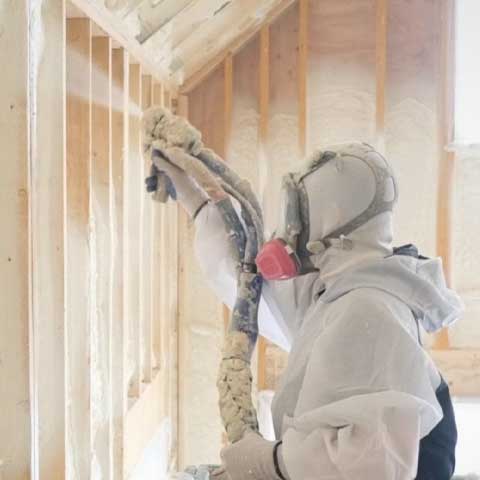
Blown‑in fiberglass (also called loose‑fill) delivers uniform thermal coverage in hard‑to‑reach areas—especially attics and existing wall cavities. It installs fast with minimal disruption, helps control temperature swings, and is a smart, cost‑effective way to boost overall home performance. When paired with targeted air sealing, it’s an immediate comfort upgrade that can also reduce energy bills.
Call today for a free, no-obligation estimate and let our team find the best solution for your project!
-
Fully InsuredWe stand behind our work with full insurance coverage for peace of mind on every project.
-
Fast & Efficient ServiceStreamlined scheduling and clear communication—quote to completion, without the runaround.
-
Local ExpertiseAs a locally owned team, we take pride in craftsmanship and long‑term relationships.
-
High-Performance MaterialsWe use proven, code‑ready fiberglass designed for consistent R‑value and lasting results.
-
Smart SolutionsNot sure if blown‑in fiberglass is right? We’ll assess your space and recommend the best path forward.
-
Precision InstallationWe install to the manufacturer’s labeled coverage, bag count, and minimum thickness—no shortcuts.
Insulation Done Right.
Reliable blown‑in fiberglass for any project.
Attics & Top‑Offs
Bring under‑insulated attics up to recommended levels (often R‑38 in many U.S. regions), and add blown‑in over existing batts when appropriate.
Existing Walls (Dense‑Pack)
We dense‑pack fiberglass into closed cavities through small access holes to reduce cold spots and improve comfort—ideal for retrofits. DOE also recognizes blow‑in systems for superior cavity fill.
New Construction (Net & Blow / BIBS‑Style)
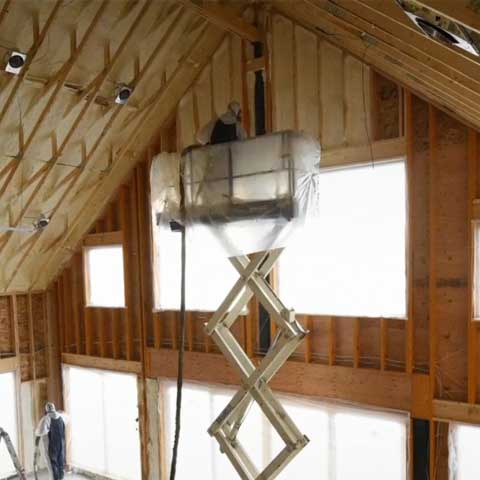
In new builds, blown‑in behind netting achieves consistent coverage around wires, pipes, and boxes—fewer gaps than conventional batts.
Floors & Crawl Spaces
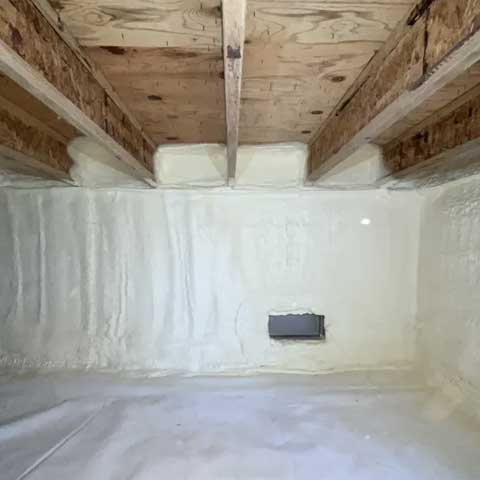
Add insulation beneath floors over unconditioned areas to help stabilize surface temperatures.
Commercial & Multi‑Unit
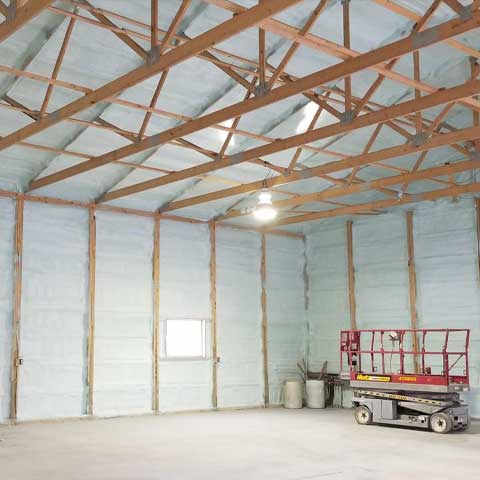
Efficient coverage at scale with quick install times and dependable performance.
Frequently Asked Questions.
Your Insulation Questions, Answered.
What exactly is blown‑in fiberglass?
It’s loose glass fibers that are blown into place with a hose. It excels in open attics and can be dense‑packed into walls for retrofit work; DOE recognizes Blow‑In‑Blanket‑style systems for better cavity fill than standard batts.
Is fiberglass safe and fire‑resistant?
Yes—fiberglass is noncombustible and blown‑in products meet ASTM E136. It’s inorganic (doesn’t feed mold) and won’t rot. As with any fiber product, installers use basic PPE during installation.
How much insulation do I need in the attic?
Many homes should be insulated to about R‑38 in the attic. You can also add loose‑fill over existing insulation if it’s in good condition.
Will it settle?
When installed to the labeled bag count, density, and minimum thickness, fiberglass loose‑fill maintains its stated R‑value; industry guidance notes negligible to no wall‑cavity settling and emphasizes proper coverage to achieve the labeled R.
Does fiberglass stop air leaks?
Insulation slows heat flow, but air sealing is what stops drafts. The best results come from air sealing first, then insulating.
Can you install over existing insulation?
Yes—ENERGY STAR allows adding loose‑fill over existing materials (use unfaced batts if layering batts over loose‑fill). We’ll assess and recommend the best approach.
The Power of Blown‑In Fiberglass
Clean, noncombustible, and built for consistent comfort.
- Noncombustible Safety — Fiberglass is made from glass and is naturally noncombustible; blown‑in fiberglass meets ASTM E136 and doesn’t require additional fire‑retardant treatment.
- Mold‑Resistant Material — Because fiberglass is inorganic, it won’t feed mold; it also won’t rot and does not absorb moisture like organic materials can. (Good building practice still calls for moisture control and air sealing.)
- Even Coverage in Irregular Spaces — Pneumatically blown fibers blanket uneven areas and wrap around penetrations for consistent coverage—especially in attics and closed cavities.
- Pairs with Air Sealing for Best Results — Sealing leaks first, then insulating, improves comfort and can deliver up to ~10% savings on annual energy bills, according to ENERGY STAR.
- Code‑Ready R‑Values — Loose‑fill fiberglass typically delivers about R‑2.2 to R‑2.9 per inch, depending on product and installed density—so hitting target R‑values is straightforward when installed to label specs.
Fresh from our Blog.
Stay Informed. Stay Inspired.

How Much Do Seamless Gutters Cost in Northwest Iowa?
Seamless aluminum gutters run about $8 to $15 per foot installed nationally. Here is what moves the number on a northwest Iowa home, and how to get a rough local price in two minutes without a sales visit.
Why Is Your Upstairs So Hot in Summer? (And How to Fix It)
If your upstairs runs hot and the AC never catches up, the problem is usually the attic, not the air conditioner. Here is what causes it and how air sealing and insulation fix it
Louvered Pergola or Patio Cover? How to Pick for Summer Shade
Motorized, fixed, or solid? Here is how to choose the right Azenco louvered pergola or patio cover for how you actually use your patio, plus what it costs and how it holds up to Iowa weather.