

Radon Testing and Mitigation in Cherokee, IA
Midwest Radon Pros is part of Midwest Companies. Our shop is in Spirit Lake, about an hour from Cherokee, and we say more about that below. Radon gives no warning. You cannot see it or smell it, and the only way to know what a building is doing with it is to put a meter on it. Every county in Iowa sits in the EPA’s highest risk zone, Cherokee County included.
We handle State of Iowa credentialed radon testing, mitigation installs, fan replacements, repairs, new construction systems, and real estate testing for homes and buildings in Cherokee. Every mitigation job ends with a post test, so the work comes with a number instead of a handshake.
Midwest Radon Pros.
The Ground Under Cherokee
Pilot Rock sits on a ridge at the south end of town, above the Little Sioux valley. It is red Sioux Quartzite, roughly twenty feet high, forty feet wide, and over sixty feet long, and it is one of the largest glacial erratics in Iowa. The glacier carried it here and set it down. It has been a landmark for a very long time, and it is a significant place to the people who were here first.
For radon purposes, the rock is the visible half of the story. The invisible half is everything else that glacier brought with it. Along the way the ice ground rock into powder and spread it across this county as till, and the Little Sioux and its tributaries have been cutting down into that till ever since. Over the top of it sits loess, wind-blown silt that thins as you move across the region. Cherokee County sits in the middle of that gradient.
All of that material is the same thing from radon’s point of view. Pulverized rock carries trace uranium, uranium decays into radium, radium decays into radon, and the gas works up through the soil until a heated building acts like a low grade vacuum and pulls it in through slab cracks, sump pits, floor drains, and gaps around plumbing.
Iowa HHS puts the average indoor radon level in Iowa at 8.5 pCi/L against a national average of 1.3, and the Iowa Radon Survey found 71.6 percent of Iowa homes above the EPA action level of 4 pCi/L, the highest share of any state. Those are state numbers. They tell you to test. They do not tell you about your house.
Your Test Came Back High. Now What?
This is the call we get most, and it usually starts with somebody who has been staring at a number for a day and a half. So here is the honest version, in order.
You are not in danger tonight.
Radon risk is cumulative. It comes from breathing elevated levels over years, not from one bad week, which is why the EPA frames it around long-term exposure. A result of 10 or 15 pCi/L means you have a problem to fix on a normal schedule, not a reason to leave the house or send the kids to a relative’s. Nobody should be selling you urgency.
You do not have to retest first, but sometimes it helps.
If the number is well above the action level, a second test mostly just delays the fix. If it landed close to 4, or if the first test was a kit and you are not sure the house stayed closed, a confirming test is worth the week it takes. We will tell you which situation you are in.
The fix is usually one day and it is not exotic.
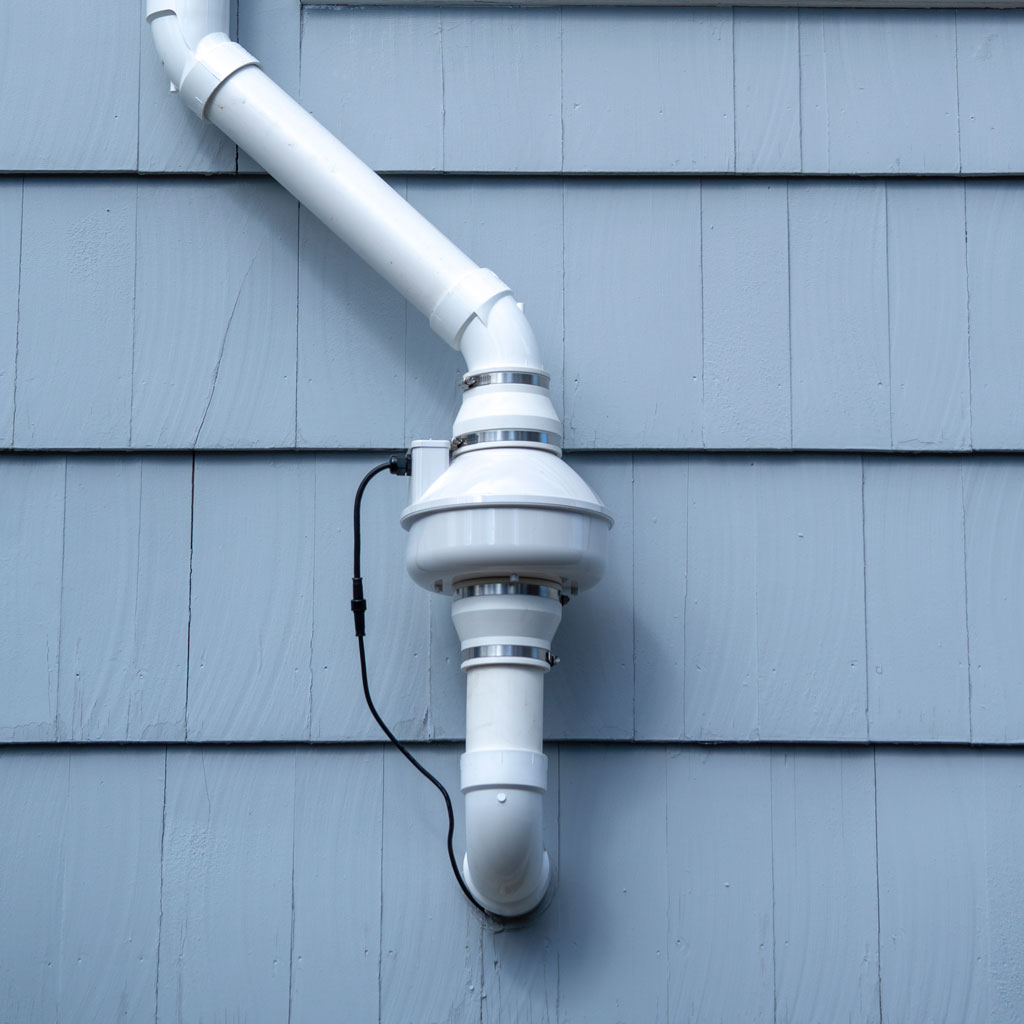
A sub slab depressurization system puts a pipe into the soil under your foundation, a fan holds steady suction there, and the gas vents above the roofline instead of into your basement. It is plumbing and a fan. It is not construction.
Expect the number to come down a lot.
A properly designed system typically brings a house well under the action level, and often far below it. What it cannot do is promise a specific figure in advance, which is why anyone who quotes you a guaranteed result before seeing the house is guessing.
The job is not finished until it is measured.
A post installation test after the fan has been running is the only proof the system did anything. Ours are included. If somebody else’s are not, ask why.
Our Radon Services.
Radon Services in Cherokee, IA
The calls come in a few shapes. A building has never been tested. A result came back high. A fan that ran for years has gone quiet. A closing is coming and radon is part of the deal.
Radon Testing
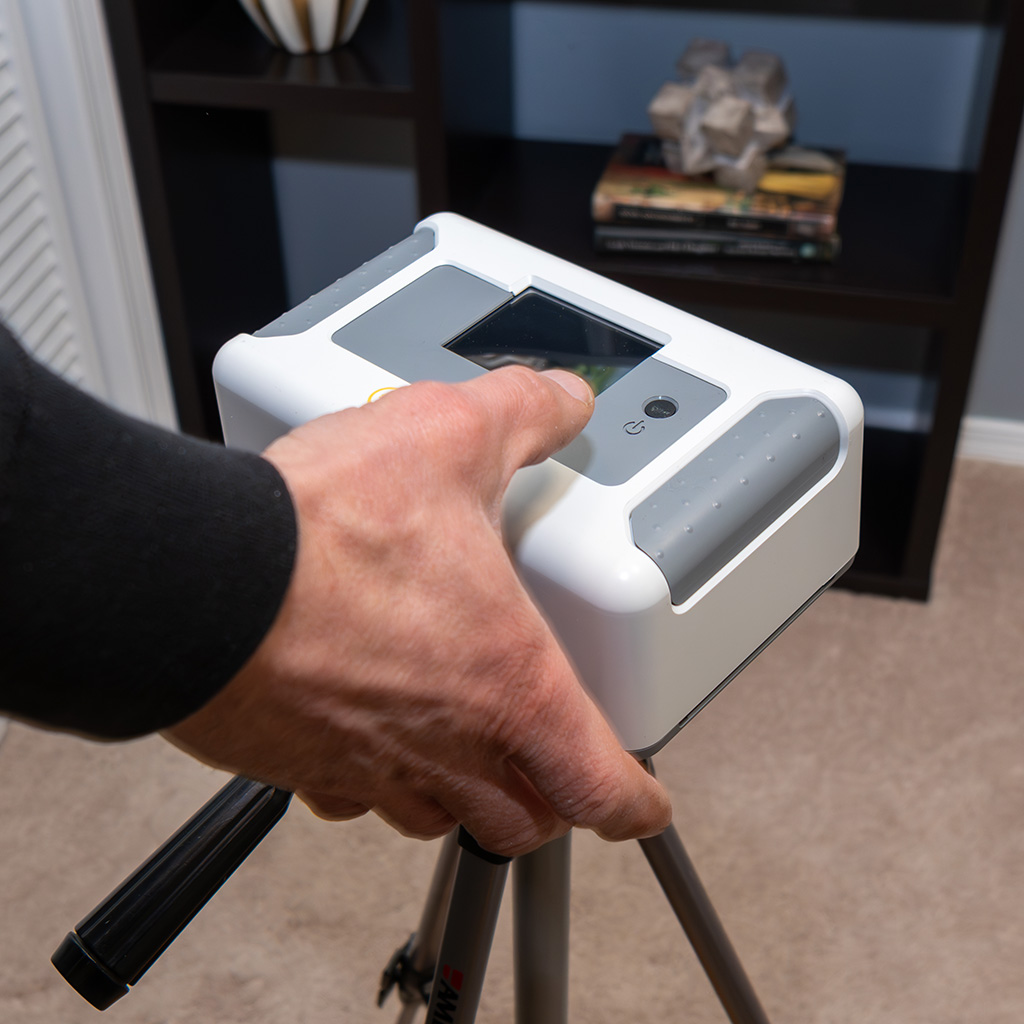
A continuous monitor goes on the lowest livable level and runs at least 48 hours under closed house conditions. It records hour by hour instead of handing back one averaged figure, and that record also shows whether the building stayed closed while the test ran. You get the result in plain language and a straight answer about what it means. Learn more about radon testing.
Radon Mitigation
At 4 pCi/L or higher, the fix is a sub slab depressurization system. Most installs are finished in a day, and every one ends with a post test that proves the level came down. Cherokee has real grade in places, so on houses stepped into a hillside the routing takes more thought than it does on a flat lot. See how radon mitigation works.
Fan Replacement and System Repair
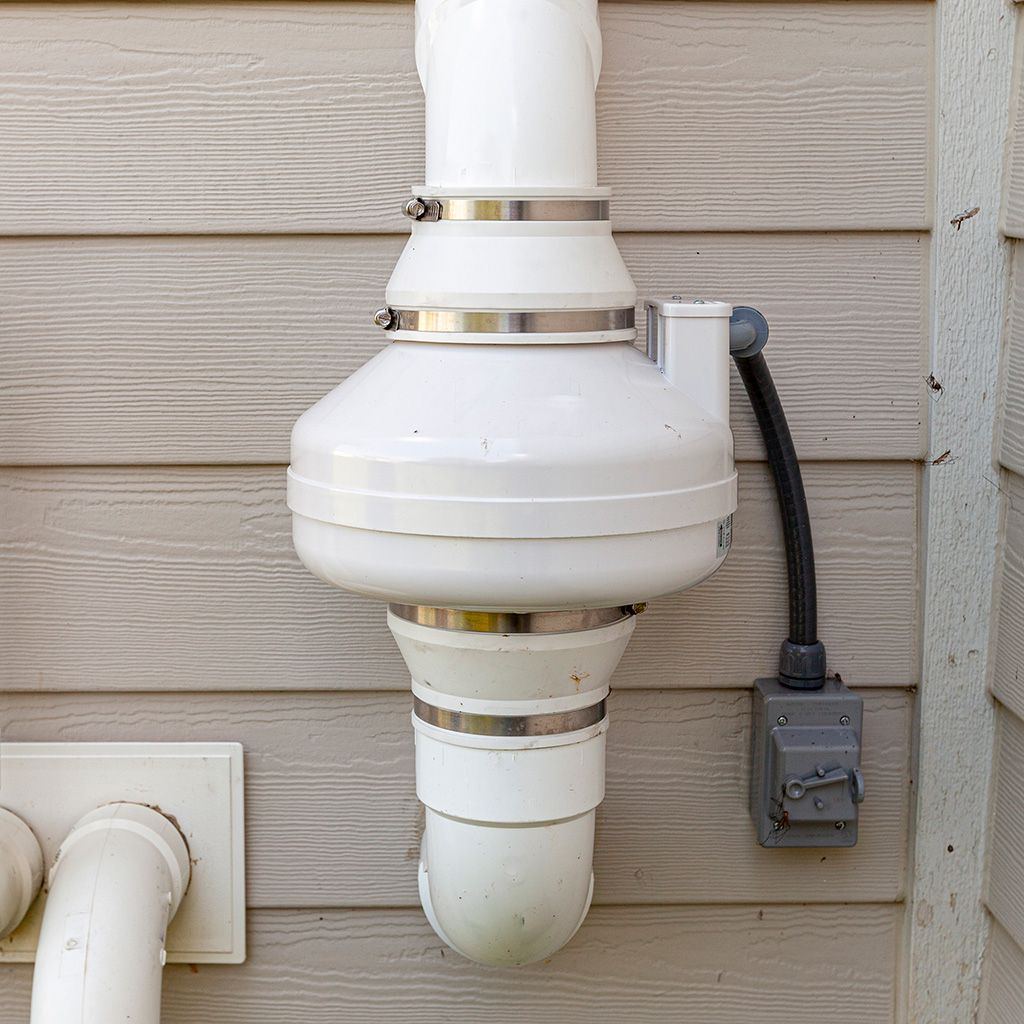
Radon fans last five to ten years, so plenty of systems are past due. When a fan quits, the system quits with it, silently. The manometer is the first check. If the liquid in the two legs has leveled out, nothing is being pulled. Given the drive, we would rather fix what you have than sell you a new one.
New Construction Radon Systems
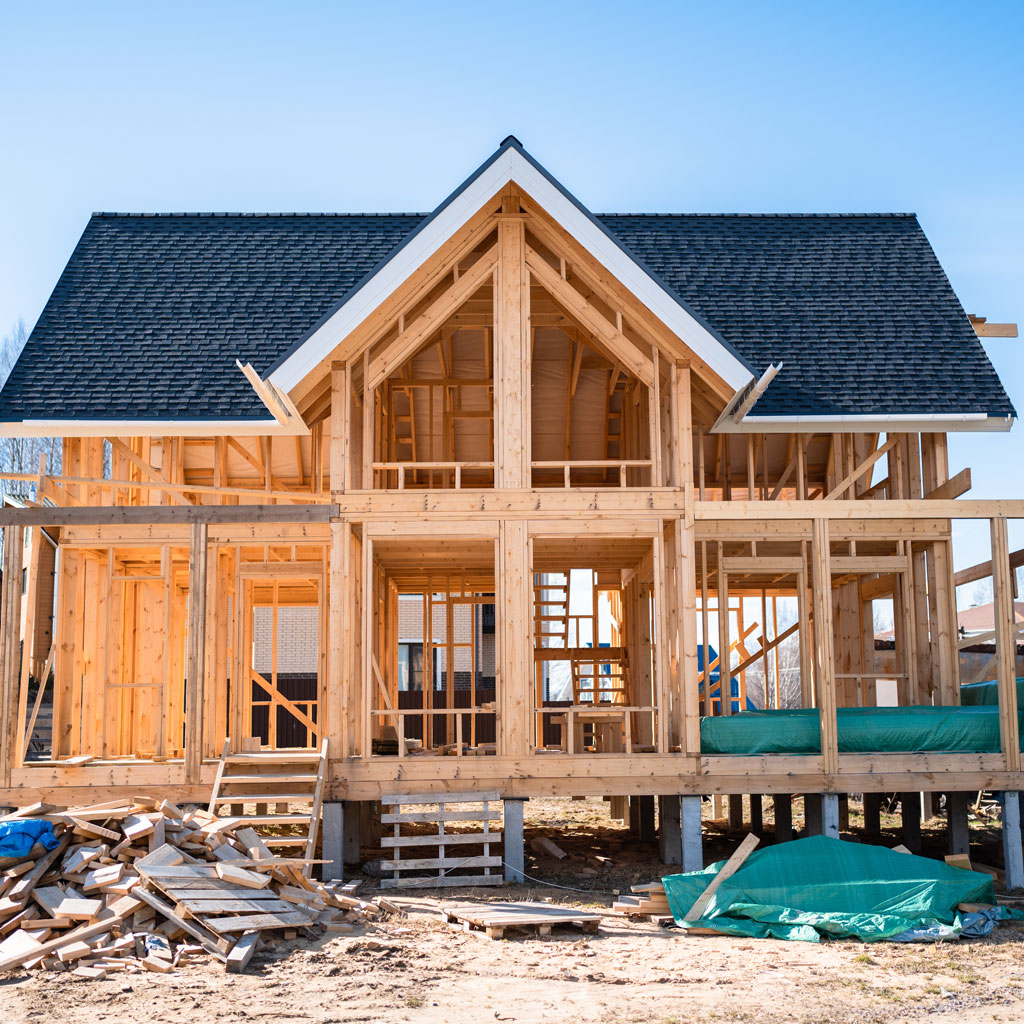
As of July 1, 2026, Iowa building code requires a passive radon system in new single and two family homes. Roughing one in while the foundation is open costs a fraction of retrofitting it later. A passive stub does not always get the level low enough on its own, so test the finished house and add a fan if the number calls for one.
Real Estate Radon Testing
What the Drive Means
We are not local to Cherokee and we will not pretend otherwise. A test takes two visits, one to set the monitor and one to collect it, so a single house here is two round trips for us. We batch Cherokee work rather than driving down one address at a time, which means booking earlier than you would with a contractor in town, and it means telling us on the first call if you are working against a closing date.
If you have more than one building, or a neighbor who has been meaning to test, say so. One trip covering several buildings is a better use of the drive and costs less per building. And if you find somebody closer who will show you a state credential and include a post installation test, hire them. That is a better outcome than waiting on us.
What to Expect From a Radon Test or Install
Call or request a quote, and we sort out the building, the test, and the calendar. The monitor goes on the lowest livable level and we explain what keeping the building closed means. You keep it closed for the test window. We come back for the monitor, pull the data, and send the result. If mitigation is needed, we quote it, schedule it, and finish with a post test.
Pricing and Estimates
Radon work gets priced after we see the building. The foundation, the sump pit, the fan placement, and how many suction points it takes all move the number. Call and we will talk through what to expect, but the number itself comes when we are standing in the building.
Why Cherokee Property Owners Choose Midwest Radon Pros
Iowa requires anyone paid to install a radon reduction system to be credentialed through the state. Our installers are, and we show the credential without being asked. Ask us for it, and ask anybody else you call for it too.
Past the credential, what matters is proof. A system can look finished and pull nothing, and that is worse than no system at all, because it feels solved. That is why every install ends with a post test. Midwest Radon Pros is part of Midwest Companies, so when radon work runs into a crawl space, insulation, or Guarantee Gutter question, the same operation handles it. We do the same work in Le Mars and Storm Lake.
Houses on the Valley Slope
Cherokee is built around the Little Sioux, and the river and its tributaries have cut down into the till, which gives parts of town real grade. That changes the job in two ways worth knowing.
A house stepped into a slope often has a lower level with one wall exposed and the rest buried, sometimes with a second slab at a different elevation under an addition. More than one ground contact can mean more than one suction point. And where the pipe can run and where it can discharge depends on which side of the house is uphill. None of that makes a house hard to fix. It means the design question is worth answering on site rather than over the phone.
Common Radon Calls Around Cherokee
A kit comes back at 9 pCi/L and the owner wants to know how worried to be. An inspection turns up a number three weeks before closing. A basement gets finished into a bedroom and somebody thinks to ask about the air. A system from years back has a manometer nobody has checked. A seller wants to know whether to test before listing or wait. All routine.
Get a Radon Estimate in Cherokee, IA
Need a test, a repair, a fan replacement, or a system for a new build? Call (712) 339-6868 or Schedule a Call. You are also welcome to stop by the shop.
You can also visit us at:
2902 Aurora Avenue West
Spirit Lake, Iowa 51360
Radon Service Area Around Cherokee
We serve Cherokee and the surrounding area, including Aurelia, Marcus, Cleghorn, Washta, Quimby, and rural Cherokee County addresses, along with Le Mars and Storm Lake. If you are not sure whether your address is in range, call (712) 339-6868 and we will tell you straight.
Frequently Asked Questions.
Questions Cherokee Homeowners Ask About Radon
My test came back at 12 pCi/L. Should we move out while it gets fixed?
No. Radon risk builds from breathing elevated levels over years, not from a few more weeks, so a high result is something to fix on a normal schedule rather than an emergency. Get it mitigated, do not put it off, and do not let anyone use the number to rush you into a decision. If you want to reduce exposure in the meantime, spend less time on the lowest level and open things up when the weather allows. That is a comfort measure, not a fix.
How much can a system actually lower the number?
A properly designed sub slab system typically brings a house well under the action level, and often much lower than that. What nobody can honestly do is promise a specific figure before seeing the house, because it depends on the foundation, the soil under it, and how many suction points the building needs. If a contractor guarantees you a number over the phone, they are guessing.
Should I test before I list my house, or wait for the buyer to ask?
Testing first usually works out better for the seller. Iowa requires you to disclose known results, so a test does commit you to sharing what it says. The trade is control. If you find a problem in March you can fix it on your own schedule and list with a solved issue and a post test to show. If the buyer finds it ten days before closing, you are negotiating under a deadline. Sellers who test early tend to spend less and argue less.
Why is the ground here different from the lakes country up north?
Different ground, same result. The lakes country up north sits on till the Des Moines Lobe left about fourteen thousand years ago. This part of the state has wind-blown loess over the top of the till, which the lakes country largely does not. The materials are different. What is in them, and what they do when a warm house sits on top of them, is the same.
Can you work around a closing date?
Usually, if you call early. A 48 hour test plus results, and if mitigation is needed a one day install with a verification test 24 hours after the fan starts, fits inside most inspection periods. At this distance the limit is our schedule rather than the work, so put the date in the first call.
I already have a system. How do I know it is still working?
Look at the manometer on the pipe, the small gauge with colored liquid in a U shape. If the two sides have leveled out, the fan has quit. Even when it shows suction, only a test proves the radon level actually came down, which is why the EPA recommends retesting every two years, mitigated homes included.