

Radon Testing and Mitigation in Spirit Lake, IA
Midwest Radon Pros is part of Midwest Companies, and we run radon testing and mitigation in Spirit Lake from a shop on Aurora Avenue West, a short drive from most homes in town. Radon gives no warning. You cannot see it or smell it, and the only way to know what your house is doing with it is to put a meter on it. In this part of Iowa the odds run against you, so we test first.
We handle State of Iowa credentialed radon testing, mitigation installs, fan replacements, repairs, new construction systems, and real estate testing in Spirit Lake. Being in town means faster scheduling and less drive time. Every mitigation job ends with a post test, so the work comes with a number.
Need a test, a repair, or a system for a new build? Call (712) 339-6868 or Schedule a Call. We work around closing dates and seasonal schedules.
Midwest Radon Pros.
Why Radon Is More Common Around Spirit Lake
Most of the radon problem here comes from the ground. The Des Moines Lobe was the last ice to reach Iowa, and the Iowa Geological Survey describes it as a surging ice front that pushed rapidly into the state and then stagnated. Along the lateral edge of that lobe, which runs right through Dickinson County, the ice moved slowly and broke down in place. That is why this corner of Iowa has the pronounced knob and kettle terrain the survey points to, while the country south of here is a smooth till plain. The lakes you fish and boat on are kettles, bowls left where buried ice melted out. The ground under your house is the rest of the same story, and it is not uniform. The survey describes these deposits as dense pebbly till capped with sandy loams, water-sorted sands and gravels, and lake-laid silts and clays that change over short distances, both across a lot and straight down.
Glacial till is rock that a mile of ice ground to powder and mixed together. Finely crushed rock gives up radon far more readily than solid bedrock does, because there is far more surface for the gas to escape from. Trace uranium in that till decays into radium, and radium decays into radon, and the gas works its way up through the soil. A heated house on top acts like a low grade vacuum, pulling soil gas in through slab cracks, sump pits, floor drains, and gaps around plumbing. That is the mechanism, and Dickinson County has the geology for it.
The numbers back it up. The Iowa HHS page lists the average indoor radon level in Iowa at 8.5 pCi/L against a national average of 1.3, and the Iowa Radon Survey put 71.6 percent of Iowa homes above the EPA action level of 4 pCi/L, the highest share in the country. Compiled test data for Dickinson County puts the county average at 8.3 pCi/L. Those numbers matter, and they stop where your house begins. Two homes on the same block test differently because of the foundation, the slab, the crawl space, the sump pit, how tightly the home is sealed, and the ground beneath it. A test tells you what your home is doing.
Our Radon Services.
Radon Services in Spirit Lake, IA
We get called for a few things. A home has never been tested. A number came back high. A fan stopped pulling. A closing date is coming. These are the usual calls, and they all start the same way, with a clear question and a clear answer.
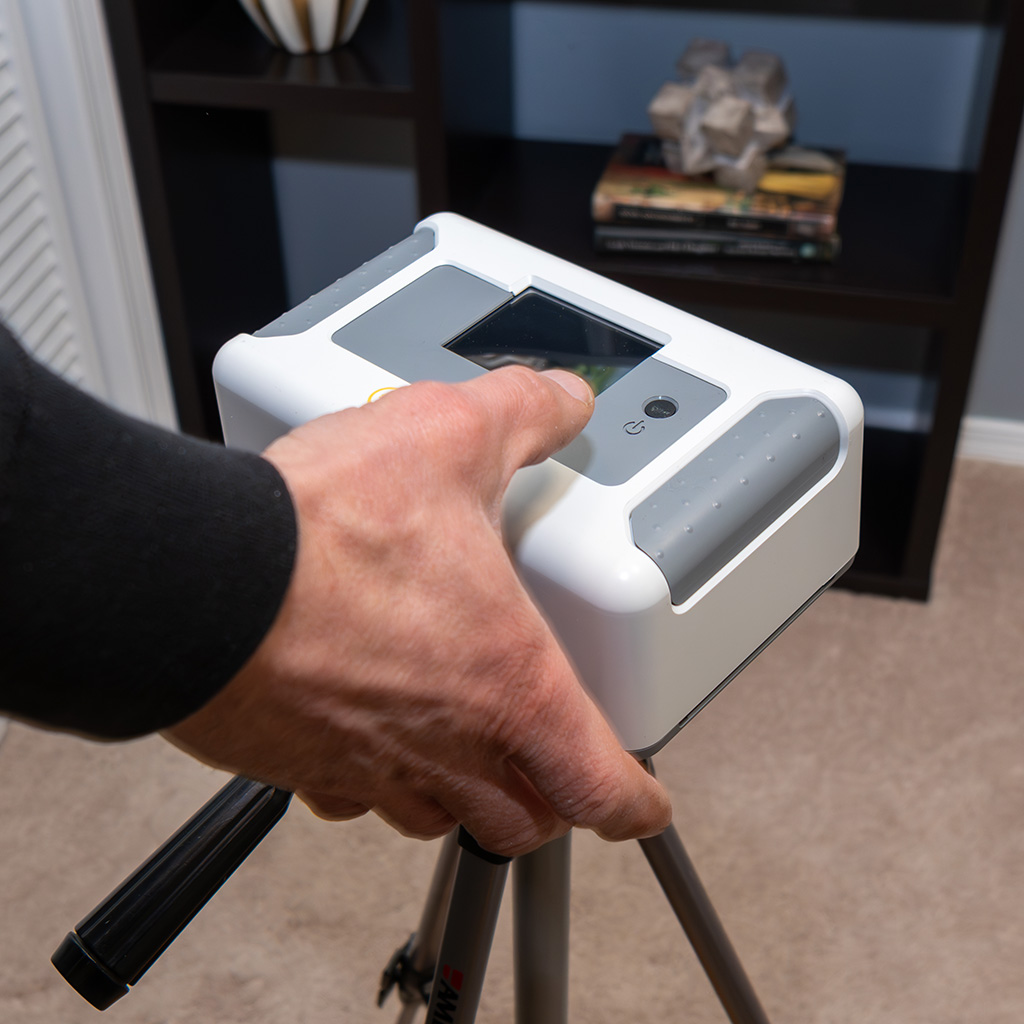
Radon Testing
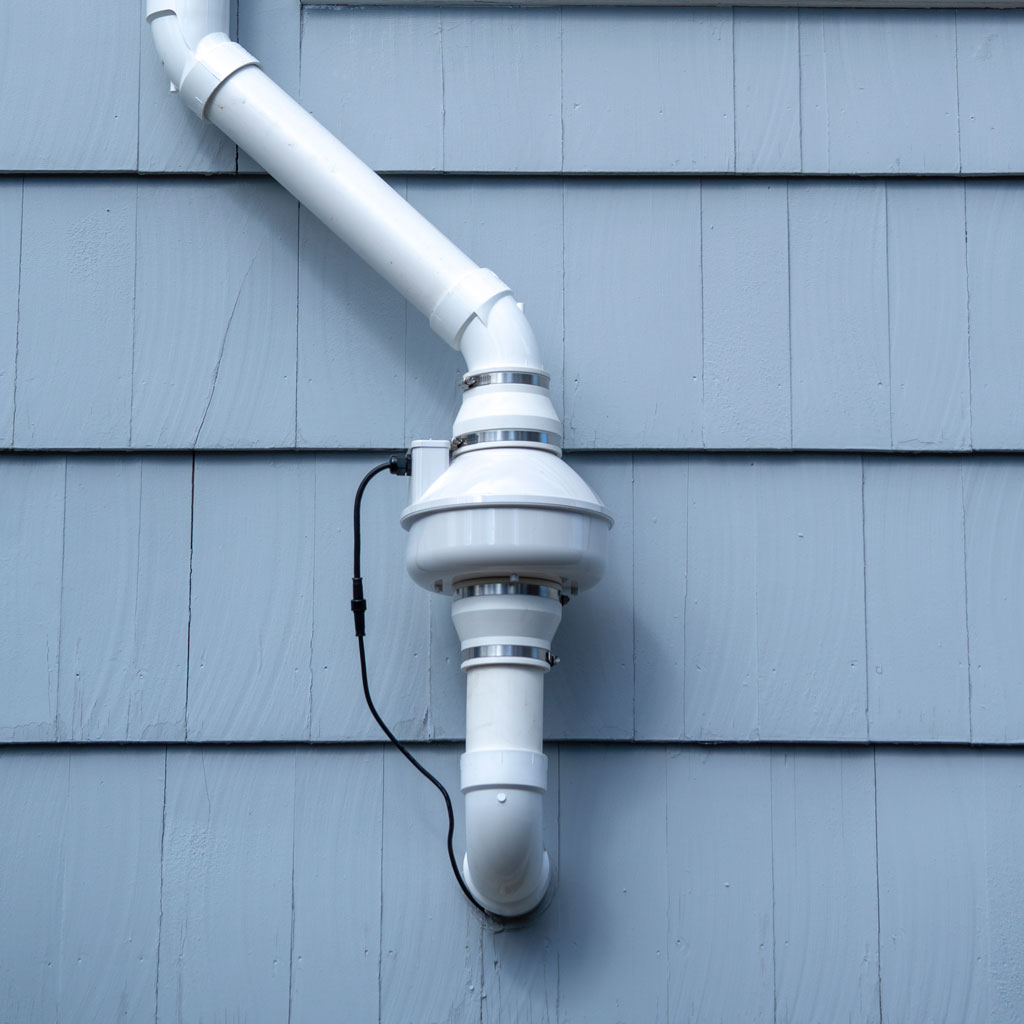
Radon Mitigation
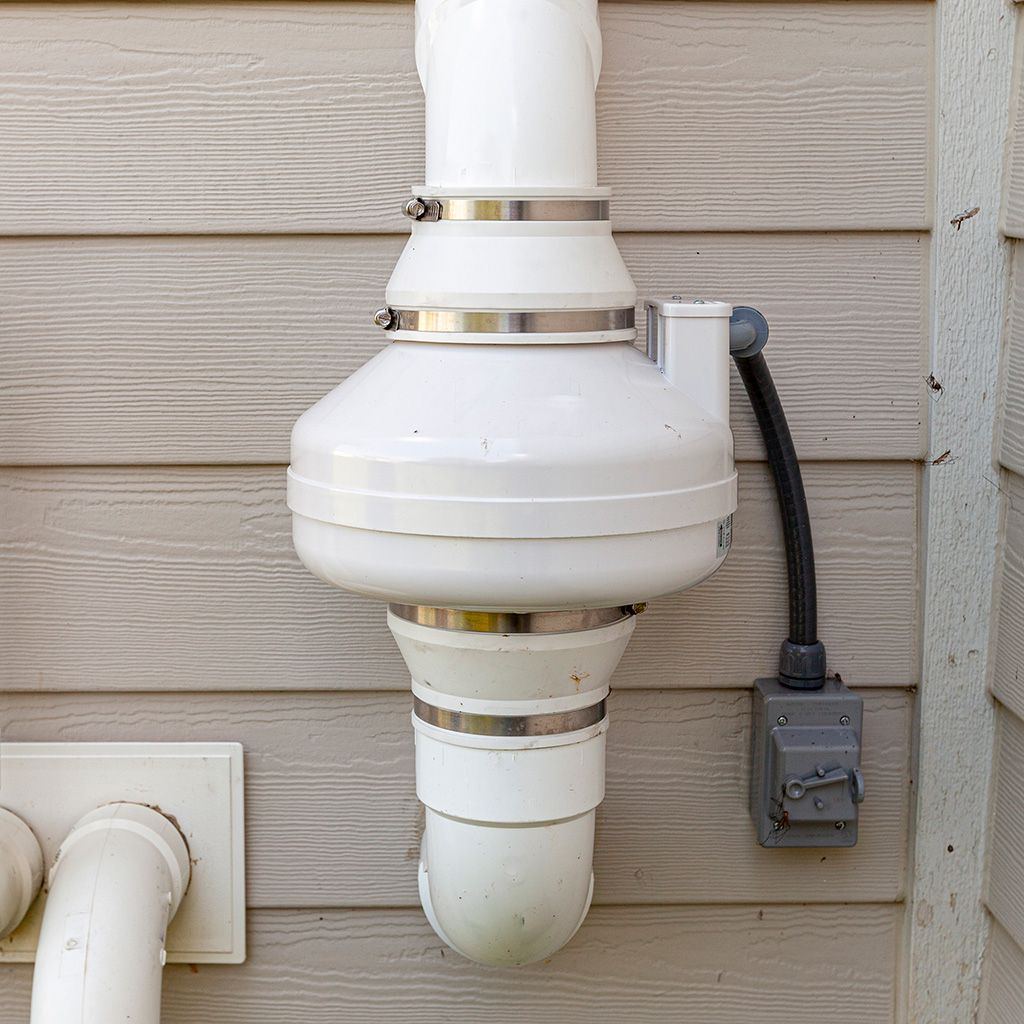
Fan Replacement and System Repair
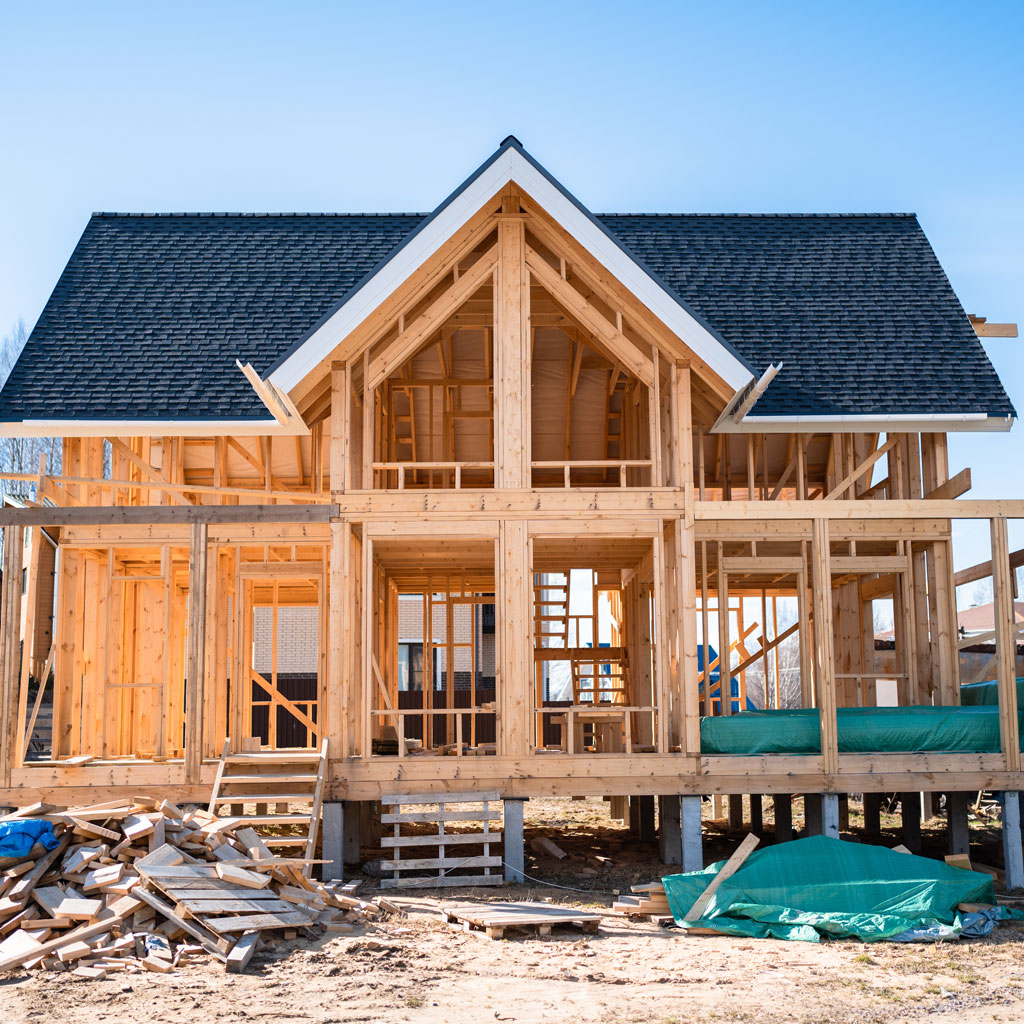
New Construction Radon Systems
Real Estate Radon Testing
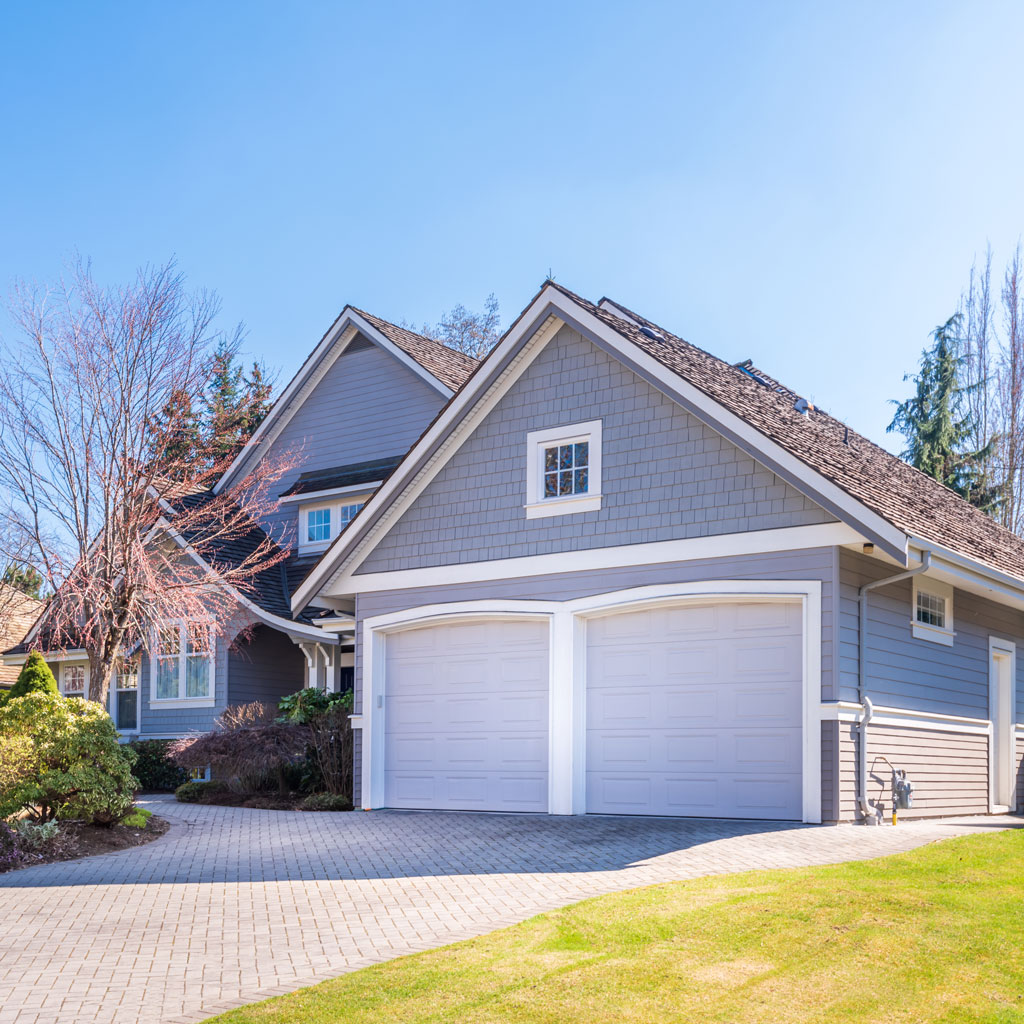
Iowa sellers disclose known radon test results, and buyers around the lakes write testing into the offer. Property changes hands here on tight timelines, with buyers who live several hours away and cannot drive in to check on things. We test with equipment and protocols that hold up on both sides of the closing table, and we schedule around closing dates, because closing dates do not move for anyone.
What to Expect From a Radon Test or Install
Pricing and Estimates
Radon work is priced after we see the home. The slab, the sump pit, the fan placement, and the number of suction points all change the cost, so a firm number comes after an on-site look. That keeps the estimate honest and the install right. Call and we will talk through what to expect, but the number itself comes when we are standing in the house.
Why Spirit Lake Property Owners Choose Midwest Radon Pros
Iowa requires anyone paid to install a radon reduction system to be credentialed through the state. Our installers are, and we show you the credential without being asked. Past the credential, the proof matters. A system that looks right and pulls nothing is worse than no system, because it feels solved. That is why every install ends with a post test. The number tells you whether the job worked.
Being local changes how fast things move. Our shop is in town, so the drive is short and scheduling is easy. Midwest Radon Pros is part of Midwest Companies, so if radon work turns into an insulation, crawl space, or Guarantee Gutter question, the same local operation handles it.
What Makes Spirit Lake Homes Tough for Radon
Dickinson County homes come in a mix that makes radon harder to solve. Lake lots have grade, so walkout and lookout basements are common, and one wall is open to the outside while the rest of the foundation still touches soil. Older homes have had additions built over the years, so a poured basement, a crawl space, and a slab addition sit under one roof, and a home like that often needs more than one suction point. The water table is high near the lakes, so many basements have a sump pit and drain tile. A sump pit is an open path for soil gas. It is also one of the best collection points a mitigation system can use. Sealing the lid and pulling from the drain tile makes for a cleaner install than coring a thick slab.
Common Radon Calls Around Spirit Lake
A seasonal home opens in May and has not been tested in years. A buyer’s inspection comes back high with two weeks to close. A basement gets finished into a room, and nobody thought about the air down there. A system from the early 2000s has a manometer that has leveled out. A new build has a capped pipe in the slab, and nobody knows if it does anything. These are common. They have clear answers, and the first step is a number.
Get a Radon Estimate in Spirit Lake, IA
Need a test, a repair, a fan replacement, or a system for a new build? Call (712) 339-6868 or Schedule a Call. You are also welcome to stop by the shop.
You can also visit us at:
2902 Aurora Avenue West
Spirit Lake, Iowa 51360
Radon Service Area in Spirit Lake and the Iowa Great Lakes
We serve Spirit Lake first, then nearby Iowa Great Lakes communities, including Okoboji, Arnolds Park, Milford, Lake Park, Estherville, and surrounding Dickinson County addresses. If you are not sure your address is in range, call (712) 339-6868 and we tell you quickly.
Frequently Asked Questions.
Questions Buyers Ask About Radon in Spirit Lake
Is radon really a problem in Dickinson County?
It is a real problem, and it is measurable. Every Iowa county is in the EPA’s highest risk zone. The state average is 8.5 pCi/L, the national average is 1.3, and compiled test data for Dickinson County puts the county average at 8.3 pCi/L. That said, the only number that matters is yours, and the only way to get it is a test. If your home comes back low, we tell you that and test it again in two years.
I only use my place in the summer. When should I test it?
Test it during a stretch when the home is lived in and closed up normally, because that is the condition you are breathing. Levels run higher in heating season when the home is sealed and the furnace is pulling air. A summer result near the action level is worth a follow up in colder weather. If the place sits closed and unheated for months, tell us, because it changes how we read the result.
My house is on a slab. Am I safe?
No. Radon enters wherever the home touches soil. Slab on grade homes and homes over crawl spaces test high around here regularly. The EPA recommends testing every home below the third floor. The mitigation approach adapts. It uses a sealed membrane over an exposed crawl space or a suction point through the slab.
Since you are based in Spirit Lake, how quickly can you get to my property?
Our shop is on Aurora Avenue West, so for Spirit Lake addresses we are not driving in from another county. We set a monitor quickly or get eyes on a house fast, and the job keeps moving.
Can you work around a closing date?
Yes, and we do it often. Tell us the date when you call. A 48 hour test plus results, and if mitigation is needed a one day install followed by a verification test after 24 hours of runtime, fits inside many inspection periods when it gets scheduled promptly.
I already have a system. How do I know it is still working?
Look at the manometer on the pipe, the small gauge with colored liquid in a U shape. If the two sides have leveled out, the fan has quit. Even when it shows suction, the only proof of the actual radon level is a test, which is why the EPA recommends retesting every two years, mitigated homes included.