


Comfort That Covers. Efficiency That Lasts.

Blown‑In Fiberglass Insulation.

Even, reliable coverage for attics, walls & crawl spaces.

Blown‑in fiberglass (also called loose‑fill) delivers uniform thermal coverage in hard‑to‑reach areas—especially attics and existing wall cavities. It installs fast with minimal disruption, helps control temperature swings, and is a smart, cost‑effective way to boost overall home performance. When paired with targeted air sealing, it’s an immediate comfort upgrade that can also reduce energy bills.

Call today for a free, no-obligation estimate and let our team find the best solution for your project!

  • Fully Insured
    We stand behind our work with full insurance coverage for peace of mind on every project.
  • Fast & Efficient Service
    Streamlined scheduling and clear communication—quote to completion, without the runaround.
  • Local Expertise
    As a locally owned team, we take pride in craftsmanship and long‑term relationships.
  • High-Performance Materials
    We use proven, code‑ready fiberglass designed for consistent R‑value and lasting results.
  • Smart Solutions
    Not sure if blown‑in fiberglass is right? We’ll assess your space and recommend the best path forward.
  • Precision Installation
    We install to the manufacturer’s labeled coverage, bag count, and minimum thickness—no shortcuts.

Insulation Done Right.

Reliable blown‑in fiberglass for any project.

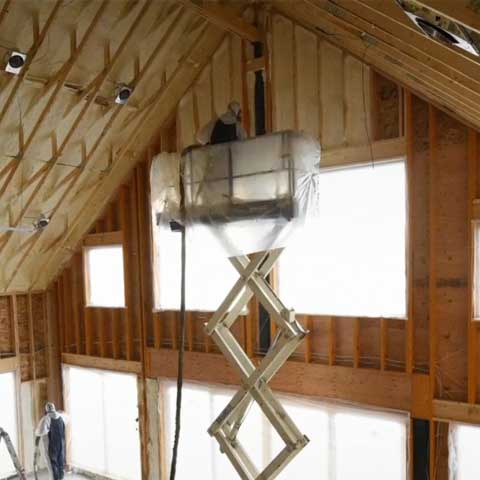
residential spray foam

Attics & Top‑Offs

Bring under‑insulated attics up to recommended levels (often R‑38 in many U.S. regions), and add blown‑in over existing batts when appropriate.

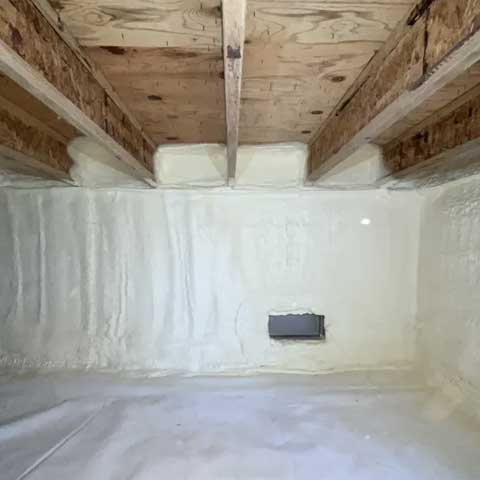
crawl space spray foam

Existing Walls (Dense‑Pack)

We dense‑pack fiberglass into closed cavities through small access holes to reduce cold spots and improve comfort—ideal for retrofits. DOE also recognizes blow‑in systems for superior cavity fill.

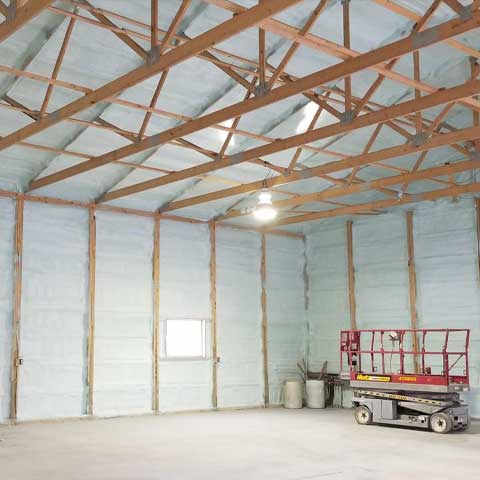
agriculture spray foam

New Construction (Net & Blow / BIBS‑Style)

In new builds, blown‑in behind netting achieves consistent coverage around wires, pipes, and boxes—fewer gaps than conventional batts.

commercial spray foam

Floors & Crawl Spaces

Add insulation beneath floors over unconditioned areas to help stabilize surface temperatures.

concrete lifting

Commercial & Multi‑Unit

Efficient coverage at scale with quick install times and dependable performance.

Frequently Asked Questions.

Your Insulation Questions, Answered.

What exactly is blown‑in fiberglass?

It’s loose glass fibers that are blown into place with a hose. It excels in open attics and can be dense‑packed into walls for retrofit work; DOE recognizes Blow‑In‑Blanket‑style systems for better cavity fill than standard batts.

Yes—fiberglass is noncombustible and blown‑in products meet ASTM E136. It’s inorganic (doesn’t feed mold) and won’t rot. As with any fiber product, installers use basic PPE during installation.

Many homes should be insulated to about R‑38 in the attic. You can also add loose‑fill over existing insulation if it’s in good condition.

When installed to the labeled bag count, density, and minimum thickness, fiberglass loose‑fill maintains its stated R‑value; industry guidance notes negligible to no wall‑cavity settling and emphasizes proper coverage to achieve the labeled R.

Insulation slows heat flow, but air sealing is what stops drafts. The best results come from air sealing first, then insulating.

Yes—ENERGY STAR allows adding loose‑fill over existing materials (use unfaced batts if layering batts over loose‑fill). We’ll assess and recommend the best approach.

The Power of Blown‑In Fiberglass

Clean, noncombustible, and built for consistent comfort.

  • Noncombustible Safety — Fiberglass is made from glass and is naturally noncombustible; blown‑in fiberglass meets ASTM E136 and doesn’t require additional fire‑retardant treatment.
  • Mold‑Resistant Material — Because fiberglass is inorganic, it won’t feed mold; it also won’t rot and does not absorb moisture like organic materials can. (Good building practice still calls for moisture control and air sealing.)
  • Even Coverage in Irregular Spaces — Pneumatically blown fibers blanket uneven areas and wrap around penetrations for consistent coverage—especially in attics and closed cavities.
  • Pairs with Air Sealing for Best Results — Sealing leaks first, then insulating, improves comfort and can deliver up to ~10% savings on annual energy bills, according to ENERGY STAR.
  • Code‑Ready R‑Values — Loose‑fill fiberglass typically delivers about R‑2.2 to R‑2.9 per inch, depending on product and installed density—so hitting target R‑values is straightforward when installed to label specs.

Fresh from our Blog.

Stay Informed. Stay Inspired.

winter landscaping lighting

Creative Ideas to Make Your Landscaping Stand Out This Winter

Transforming your outdoor space this winter from drab to fab requires a touch of creativity, warmth, and a bit of frosty magic. While many homes retreat into hibernation, your home landscaping can become a winter wonderland with the right winter landscaping ideas.  From the warm glow of outdoor lighting to cozy outdoor fireplaces, there are countless ways to enhance your yard’s beauty and functionality during the colder months.  Whether you’re looking to create a serene, snow-lit path or add a burst of color with winter blooms, the possibilities are endless. The team at Midwest Landscape & Design would love to help you make your landscaping stand out this winter. Contact us to discuss all the possibilities. Warm up your gardens:

Read More
Person installing spray foam in home wall

Spray Foam 101: Top Benefits for Homes

As we step into the world of home improvement, let’s first explore how making your abode more energy-efficient can lead to both savings and sustainability. One of the most crucial aspects of enhancing your home’s energy performance is home insulation with spray foam.  Traditional insulation methods can leave gaps and drafts, but spray foam offers a revolutionary solution. This advanced material expands to fill every nook and cranny, creating an airtight seal that not only improves energy efficiency but also reduces your carbon footprint and enhances comfort.  Discover the spray foam benefits that make it a top choice for modern homeowners, and insulate your home the better way—with spray foam. Contact Midwest Spray Foam and Insulation today for a quote.

Read More
hot tub on a deck overlooking wooded area

Why Hot Tubs Are So Great in Winter

As the frost blankets the landscape, one warm haven stands invitingly in the backyard, ready to transform your winter nights: the hot tub.  While the cold air nips at your nose, the thought of a hot tub in winter can be the perfect antidote to the season’s chill. Imagine sinking into the soothing warmth, steam rising around you as you relax with a good book or your favorite playlist. Not only does a hot tub provide a cozy escape, but it also offers a host of health benefits, from easing joint pain to boosting circulation.  From the hot tub to the landscaping that makes your yard an outdoor oasis, Midwest Companies can get you ready for hot tubbing in winter.

Read More